
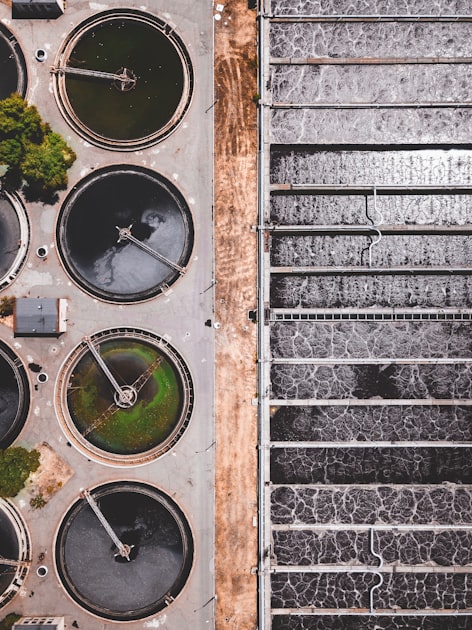
A domestic sewage treatment plant treats wastewater from your home before discharging the treated effluent into a suitable drainage system or watercourse, where permitted. Unlike a traditional septic tank, a sewage treatment plant uses biological processes to break down organic waste and improve the quality of the discharged water.
Like any mechanical system, a sewage treatment plant needs the right conditions and regular maintenance to operate reliably. Understanding how it works, recognising warning signs and arranging professional servicing when needed can help prevent avoidable breakdowns.
How Does a Sewage Treatment Plant Work?
Most domestic sewage treatment plants use a combination of settlement and biological treatment.
1. Wastewater enters the plant
Wastewater from toilets, sinks, showers and other household outlets flows into the treatment system. Heavier solids settle, while lighter materials separate from the liquid.
2. Biological treatment takes place
In many systems, air is supplied to encourage the growth of bacteria that break down organic waste. A blower or air pump may run continuously or according to the manufacturer’s control system.
3. Treated effluent is discharged
After treatment, the effluent leaves the plant through its outlet and is discharged to an approved destination. The required discharge arrangements depend on the system and applicable regulations.
The exact process varies by manufacturer and model, which is why servicing should follow the equipment manufacturer’s instructions.
Why Does a Sewage Treatment Plant Need Servicing?
A treatment plant may continue running even when a component is beginning to fail. A blower can weaken, an air hose can become damaged, a pump can stop working correctly, or a float switch and alarm can develop a fault.
Regular servicing helps identify developing problems before they result in a breakdown. It also provides an opportunity to check the plant’s mechanical and electrical components, inspect its operation and identify issues that may need attention.
The appropriate service interval depends on the make, model, usage and manufacturer’s recommendations. Your system’s maintenance instructions should always take priority over a generic timetable.
Signs Your Sewage Treatment Plant May Need Attention
Contact a suitably qualified service professional if you notice any of the following:
- An alarm is sounding: this may indicate a high water level, equipment failure or another fault.
- The blower or air pump has stopped: in systems that rely on aeration, a loss of air supply can affect treatment.
- Unusual noises: rattling, grinding or a sudden change in operating noise may indicate a mechanical problem.
- Unpleasant smells: persistent sewage odours can indicate a fault, poor ventilation or a maintenance issue.
- Water levels appear unusually high: this may point to an outlet restriction, pump failure or another problem.
- Visible damage or leakage: damaged pipework, covers or electrical equipment should be assessed promptly.
Do not ignore a persistent alarm or suspected discharge problem. If effluent is escaping or there is a risk to people or the environment, seek prompt professional advice.
Common Sewage Treatment Plant Problems
The cause of a fault is not always obvious from the symptoms. Common problems include:
Blower and air pump faults
A failed or underperforming blower can reduce aeration in systems that depend on it. Diagnosis may involve checking the unit, air supply, connections and associated controls.
Pump and float switch problems
Where a system uses pumps, a faulty pump, float switch or control circuit can prevent wastewater moving as intended or cause a high-level alarm.
Electrical and control panel faults
Tripped protection, damaged connections, faulty controls and alarm problems may affect normal operation. Electrical work should be carried out by someone competent to do so safely.
Outlet and pipework issues
Restrictions, damaged pipework or problems beyond the treatment plant can affect discharge. The cause should be identified before deciding what repair is required.
Correct diagnosis matters. Replacing a component without identifying the underlying fault may not solve the problem.
What Happens During Professional Servicing?
The work required depends on the type of plant and the symptoms reported. A service may include checking the operation of the blower or air pump, inspecting accessible mechanical components, checking alarms and controls, assessing the plant’s general operation and identifying components that require repair or replacement.
Servicing is not the same as desludging. Sludge removal may be required at intervals determined by the plant, its use and the manufacturer’s guidance. It should be arranged separately when necessary.
A service visit should also establish whether a reported problem is caused by the plant itself or by associated pipework, pumps, controls or the discharge arrangement.
When Should You Call a Professional?
Arrange an inspection if your plant has a persistent alarm, has stopped operating normally, is producing unusual noises or smells, or appears to be discharging incorrectly.
Avoid opening electrical enclosures, entering tanks or attempting repairs that expose you to sewage, moving machinery or electrical hazards. Follow the manufacturer’s instructions and use a competent professional for diagnosis and repair.
If you know the make and model of your plant, have that information available when requesting assistance. Details of any alarm code, symptoms and recent changes can also help narrow down the cause.
Sewage Treatment Plant Servicing and Repairs in Four Counties
Swain’s Environmental Services provides sewage treatment plant servicing, maintenance, fault diagnosis and repairs across Buckinghamshire, Oxfordshire, Northamptonshire and Warwickshire.
Services include routine servicing, preventative maintenance, blower and compressor replacement, pump repairs and replacement, alarm and float switch faults, control panel problems and breakdown diagnosis for domestic and selected commercial systems.
If your sewage treatment plant needs attention, visit our sewage treatment plant servicing, maintenance and repairs page to find out more or get in touch to discuss your system.
The make, model and symptoms of your plant are useful details to provide when making an enquiry.